


The world of manga creation, often perceived as solitary, is brought to vibrant and humorous life in “A Mangaka’s Weirdly Wonderful Workplace” (Egao no Taenai Shokuba Desu). Episode 11 of the recently premiered anime adaptation, which began airing in October 2025, offers a compelling look into the collaborative and sometimes chaotic journey of bringing a manga to print. This installment, titled “A Quick Break at a Hot Spring Inn?”, delves into themes of creative inspiration, the importance of firsthand experience, and the unique challenges faced by mangaka and their support teams.
The series follows Nana Futami, a rookie shojo manga artist behind the shogi-themed series “Dear Subaru,” as she navigates the pressures of deadlines, creative blocks, and her own “occupational illness” (often manifesting as intense delusions) with the help of her editor, Kaede Satō, and assistant, Mizuki Hazama. Episode 11 particularly shines a spotlight on supporting characters and their individual journeys within this dynamic creative environment.
Arisa Nashida’s Creative Quandary
A significant focus of Episode 11 revolves around Arisa Nashida, Futami’s co-worker and senior assistant who is also a professional mangaka working on a spin-off series. Nashida faces a common hurdle for creators: her drafts for a romantic plot are repeatedly rejected by her former boss, Takizawa. The core issue? Her shonen manga background leads her to write romantic scenes from a male perspective, clashing with the shojo genre requirements for her spin-off.
Seeking Inspiration: A “Date” with Toko
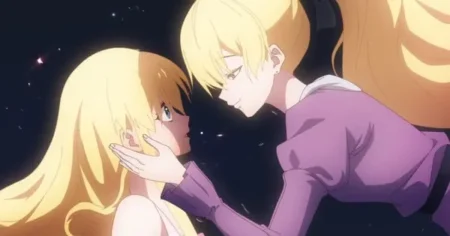
To overcome this creative block, Nashida goes on a “date” with Toko Kakunodate, an editor and subordinate of Kaede. This outing serves as a humorous yet insightful attempt for Nashida to gain firsthand experience in depicting romance from a shojo perspective. The episode cleverly plays with the “yuri vibes” of their interaction, adding an extra layer of sweetness and ambiguity to Nashida’s character development. The humor often stems from Nashida’s somewhat awkward attempts at understanding romantic nuances for her work.
The Importance of Experience and Collaboration
Episode 11 strongly emphasizes the theme that genuine experience can be crucial for creative endeavors. While talent is undeniable, certain aspects of storytelling, especially in genres like romance, benefit immensely from real-world understanding. Nashida’s struggle to authentically portray shojo romance highlights this point, as she grapples with depicting emotions she hasn’t personally experienced in that specific context.
Mentorship and Learning from Others
The episode also subtly showcases the value of mentorship and peer support within the mangaka community. The guidance Nashida receives, albeit indirectly through her interactions, and the earlier struggles of her former boss, Takizawa, underscore that even successful creators face periods of self-doubt and failure. This relatable narrative resonates with anyone in a creative field, reminding them that success often comes after years of “grinding” and learning from setbacks.
Nekonote’s In-Person Debut
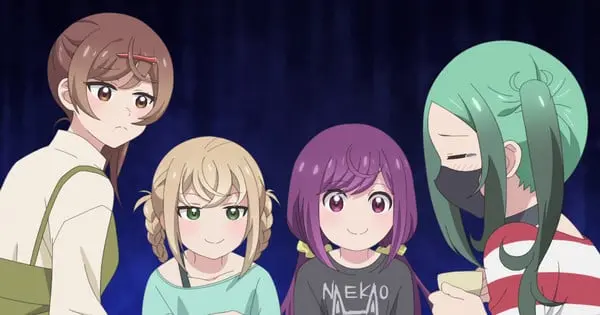
Another notable event in Episode 11 is the long-awaited in-person appearance of Nekonote, Futami’s second assistant, who typically works remotely. Nekonote is known for being shy, but also highly skilled and efficient in her art. Her physical presence allows for new dynamics and interactions within Futami’s workplace, further cementing the collaborative spirit of the manga production team.
The “Weirdly Wonderful” Workplace Philosophy
“A Mangaka’s Weirdly Wonderful Workplace” consistently portrays the manga industry as a place filled with both intense pressure and heartwarming camaraderie. Episode 11 exemplifies this balance by showing the characters tackling professional challenges with humor and mutual support. From Nashida’s creative struggles to the subtle lessons on editorial meetings, the episode reinforces the idea that an effective creative environment isn’t about immediate perfection, but about continuous effort, open communication, and the willingness to learn from every experience. The series, streamed by Crunchyroll, continues to offer an authentic yet light-hearted glimpse into the lives of those who bring manga to life.