
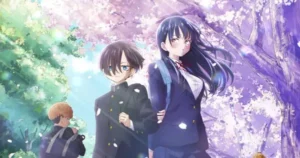



The highly anticipated anime adaptation of With You, Our Love Will Make It Through (Kimi to Koete Koi ni Naru) continues to captivate audiences with its poignant portrayal of interspecies romance and societal challenges. As the series progresses, Episode 10 delves deeper into the evolving relationships and the ongoing theme of acceptance, particularly amidst the vibrant backdrop of a school festival. This installment provides crucial developments for the main couple, Mari and Tsunagu, while also shedding light on the broader implications of beastfolk integration into human society.
The School Festival: A Stage for Developing Relationships
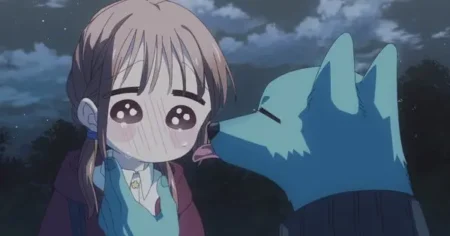
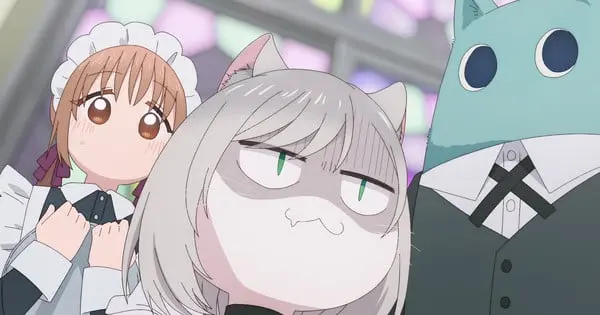
Episode 10 centers around the lively school festival, a classic setting for romantic and character development in many coming-of-age narratives. Mari is seen in a maid outfit, while Tsunagu sports a sheep costume, adding a touch of festive charm to their interactions. This communal event serves as more than just a backdrop; it becomes a crucible for showcasing how far the characters, and indeed the school community, have come in accepting Tsunagu, a beastfolk student.
The festival highlights a significant shift in perception. What began as apprehension and prejudice surrounding Tsunagu’s presence has gradually transformed into a broader acceptance among his classmates. Many students have evidently opened up to the idea of more beastfolk joining the school, suggesting a positive, albeit gradual, societal change championed by Mari and Tsunagu’s relationship.
Mari and Tsunagu’s Evolving Bond
At the heart of With You, Our Love Will Make It Through Episode 10 is the deepening connection between high schooler Mari Asaka and her beastfolk classmate, Tsunagu Hidaka. Their relationship, which forms the core of this interspecies romance, faces new considerations as it becomes increasingly apparent to those around them. Despite not openly declaring their status, their closeness sparks curiosity and suspicion among their peers.
A pivotal moment in the episode involves Mari and Tsunagu discussing the nature of their relationship and the need for discretion given the attention it attracts. This conversation underscores the complexities they navigate as a couple challenging societal norms in a world where humans and beastfolk coexist amidst prejudices. Tsunagu, towards the end of the episode, appears somewhat withdrawn, leading viewers to infer a desire for more private, intimate moments with Mari, away from the public eye.
Expanding Character Dynamics: Yukihiro and Kisara
Beyond the central couple, Episode 10 also begins to explore other burgeoning relationships. Notably, there are increased interactions between Yukihiro Aida, Mari’s friend, and Kisara, a fellow beastfolk. These scenes hint at a potential romantic dynamic developing between them, a common narrative progression in shows of this genre.
One particular discussion from fan communities mentions Kisara having her tail pulled by another student, with Yukihiro’s reaction or intervention being a point of interest. This interaction, if explored further, could add another layer to the overarching theme of human-beastfolk relations and personal boundaries.
Deeper Societal Reflections and Tsunagu’s Identity
The episode doesn’t shy away from touching upon the deeper societal implications of beastfolk integration. Tsunagu’s internal thoughts and comments throughout the series often revolve around how he perceives himself in relation to humans, questioning if his increased acceptance is tied to him acting “more human”. This introspection raises a crucial question: is blending in truly what Tsunagu desires, or is it a coping mechanism to navigate a prejudiced world? This theme adds considerable depth to the Kimi to Koete Koi ni Naru Episode 10 narrative, moving beyond simple romance to address identity and acceptance on a broader scale.
In essence, With You, Our Love Will Make It Through – Episode 10 skillfully weaves together romance, personal growth, and social commentary. It highlights the power of acceptance, both individual and communal, while setting the stage for future challenges and intimate developments in Mari and Tsunagu’s journey.