






In the sprawling landscape of isekai anime, My Status as an Assassin Obviously Exceeds the Hero’s carves its niche by exploring the moral complexities of its protagonist, Akira Oda. Episode 10, titled “The Assassin Gazes at the River Surface,” marks a significant slowing of pace for the series, dedicating its entire runtime to a critical internal conflict: Akira’s decision regarding the fate of Gram Cluster. This pivotal episode delves into the protagonist’s psyche, questioning the true nature of his “assassin” status and the implications of taking a life.
The Weight of a Choice: Akira’s Dilemma
Episode 10 centers on Akira’s profound struggle over whether to assassinate Gram Cluster. Gram is unequivocally depicted as a reprehensible figure, responsible for human trafficking, enslaving individuals, and selling people to demons. He is also implicated in the death of Akira’s friend, Saran, as his soldiers were rented for the assassination. On the surface, the narrative presents every conceivable reason for Akira to carry out the kill: vengeance for a friend, justice for countless victims, and even the promise of rewards from the King and Crow.
The True Assassin’s Nature
Despite his “Assassin” class, Akira Oda is far from a natural-born killer. He is, at heart, a normal Japanese teenager, thrust into a fantasy world where the most dangerous object he handled before was a kitchen knife. This episode highlights the stark contrast between his assigned role and his inherent morality. Akira grapples with the idea of taking a life, not because of the target’s innocence, but because of what it would mean for him. His primary goals in this new world are to avenge Saran and, crucially, to return to Earth and his family. The thought of facing his sickly mother and loving sister with “bloodstained hands” weighs heavily on him, fearing they might see a “monster” within him.
Echoes of Guilt and Empathy: Supporting Characters’ Influence
The episode skillfully uses supporting characters to reflect and amplify Akira’s internal turmoil, demonstrating the show’s capacity for deeper thematic exploration when it slows its pace.
Amelia’s Fears and Unwavering Support
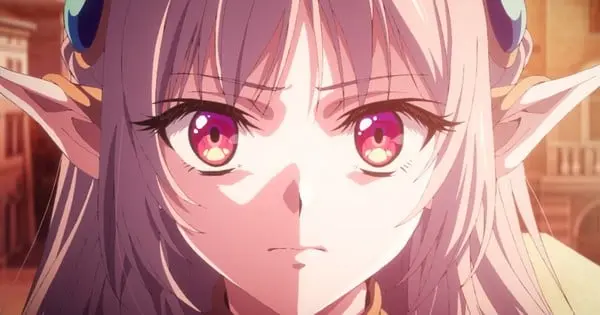
Amelia, Akira’s companion and love interest, also grapples with the potential consequences of Akira becoming a killer. Her fear isn’t that she would stop loving him, but rather that Akira would stop loving himself if he committed the act. This showcases a deep understanding of Akira’s character and a strong emotional bond between them. Their shared fear of the psychological toll of murder highlights the episode’s focus on internal struggle over external action.
Crow: A Manifestation of Akira’s Potential Future
Crow serves as a poignant mirror to Akira’s potential future. A good man burdened by his past inability to live up to his own morals, Crow has spent decades punishing himself for his sister’s murder. He has actively avoided human connections and love, seemingly wishing for the release of death once his mission of vengeance is complete. This portrayal of Crow acts as a stark warning for Akira, illustrating the long-term, self-destructive path that unchecked vengeance can lead to. Crow’s insistence that Akira kill Gram also forces Akira’s hand, creating significant dramatic tension.
A Glimpse of Home and Lost Innocence
A significant element contributing to Akira’s conflict is a brief, but impactful, scene back on Earth, showing his worried mother and sister. This serves as a powerful reminder of what Akira stands to lose if he succumbs to the darkness of assassination. The episode even includes a moment where Akira sees a vision of his younger self amidst the city’s beauty, symbolizing the innocence he fears he will tarnish.
Pacing and Narrative Impact
Episode 10 is praised for its deliberate pacing, which allows for a thorough exploration of Akira’s moral conflict. Unlike previous episodes that have sometimes rushed through dramatic or emotional beats, this installment takes its time, building dramatic tension toward the impending climax where Akira must make his choice and live with its repercussions. This slower, more introspective approach allows the narrative to delve into the hero’s psyche from multiple angles, showcasing the show’s potential for nuanced storytelling.
Conclusion: A Turning Point for the Assassin
“The Assassin Gazes at the River Surface” stands out as a crucial episode in My Status as an Assassin Obviously Exceeds the Hero’s. By focusing intently on Akira’s moral dilemma, it transforms what could be a straightforward act of vengeance into a profound exploration of identity, consequence, and the true cost of power. The episode’s success in slowing down the narrative and deepening character development sets the stage for a compelling resolution, making Akira’s final decision—and its aftermath—all the more impactful for the remaining episodes of the season. The anime is available for streaming on platforms like Crunchyroll.