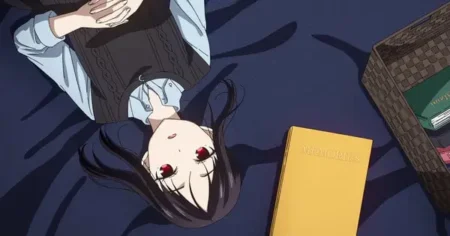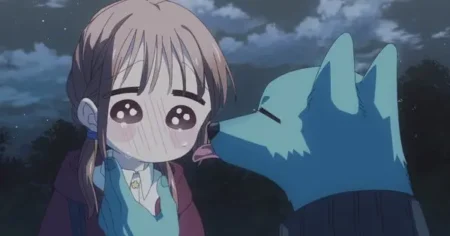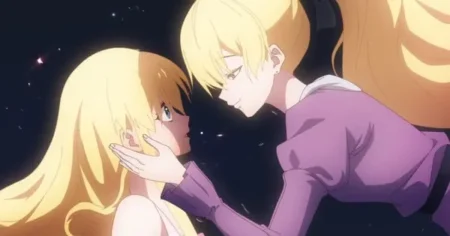



The much-anticipated season finale of the anime series SANDA, titled ‘Pale Blue Pall’ (Episode 12), concluded on a powerfully emotional and thematically rich note, leaving audiences grappling with profound questions of identity, loss, and the arduous journey into adulthood. Airing in December 2025, the episode brought several key plotlines to a dramatic head, while also setting a contemplative tone for its characters’ future.
Unraveling the World of SANDA: A Brief Introduction
SANDA, based on the Japanese manga series by Paru Itagaki, is set in a future Japan grappling with a rapidly declining birth rate. The narrative centers on Kazushige Sanda, a middle school student who discovers he is a descendant of Santa Claus. This revelation is instigated by his classmate, Shiori Fuyumura, who believes Sanda can help her locate her missing friend, Ichie Ono, who still clings to the belief in Christmas. The series explores Sanda’s conflict between his adolescent life and his newfound responsibility as Santa, transforming when he wears red.
The Climax of the Season: Key Events of Episode 12
The season finale plunged into a whirlwind of action and heartbreak, focusing on several pivotal moments:
Sanda vs. Principal Oshibu: A Battle of Convictions
A significant portion of Episode 12 was dedicated to Sanda’s climactic confrontation with Principal Oshibu. The battle, set against the backdrop of a public “Santa purge” event at the school grounds, showcased Oshibu’s mutation form and his growing power fueled by the crowd’s cheers. Despite Sanda’s restored strength, he ultimately lost to Oshibu, highlighting Oshibu’s unwavering convictions and greater sense of self. This defeat served as a measure of Sanda’s growth, indicating how much further he still needed to develop.
Ono’s Tragic Farewell and Fuyumura’s Confession
Perhaps the most heartbreaking moment of the finale was the tragic death of Ichie Ono. As a consequence of her rapid puberty, Ono’s body quickly deteriorated, leading to her passing away shortly after Fuyumura finally confessed her feelings. This scene underscored the series’ exploration of how society can impact young women who do not conform to expected norms, with Ono’s funeral being notably different from the lavish ceremony initially arranged.
Sanda’s Identity Crisis and Reconciliation
Throughout the episode, Sanda grappled with his identity as Santa. The finale provided a moment of clarity for Sanda, as he was able to comfort Fuyumura as a friend and peer rather than feeling the pressure to embody an idealized version of adulthood. This struggle to balance his true self with his Santa persona remained a central theme.
Thematic Resonance: Adulthood, Loss, and Societal Pressures
The SANDA season finale masterfully wove together several complex themes:
The Hardships of Transitioning into Adulthood
The finale reinforced the idea that the transition from childhood to adulthood is often marked by struggle, loss, and uncomfortable truths. Both Sanda and Fuyumura, despite being “worse off” in some material ways by the episode’s end, emerged with greater clarity and closer to a healthier understanding of adulthood.
Identity and Self-Acceptance
Sanda’s journey is deeply tied to his dual identity as a middle schooler and Santa Claus. The finale explored his efforts to reconcile these aspects of himself, especially in moments of crisis and emotional vulnerability. His interaction with Fuyumura at the end, where he could simply be a 14-year-old boy, highlights a step towards self-acceptance.
Societal Expectations and the Fate of Youth
Ono’s rapid aging and subsequent death served as a stark commentary on societal pressures and the often-destructive expectations placed upon young individuals, particularly young women. The contrast between the initial lavish funeral plans and the eventual somber reality also underscored society’s changing view of children post-puberty.
Critical Reception and Future Implications
The finale of SANDA garnered significant attention, praised for its poignant ending and its honest exploration of the challenges faced by young people. Critics lauded the animation, particularly in the fight scenes, and the visual storytelling by Science Saru. While some viewers desired more definitive resolution, many appreciated the show’s authentic portrayal of personal growth, which often lacks “hard markers” in real life.
With the conclusion of its first season, SANDA leaves its characters in a state of continued growth and development. The narrative’s focus on the nuanced struggles of youth and identity suggests ample room for future exploration, resonating deeply with audiences who appreciate a thoughtful and emotionally complex coming-of-age story.